Kiwi V2: A Playful Color Font for Creative Brands
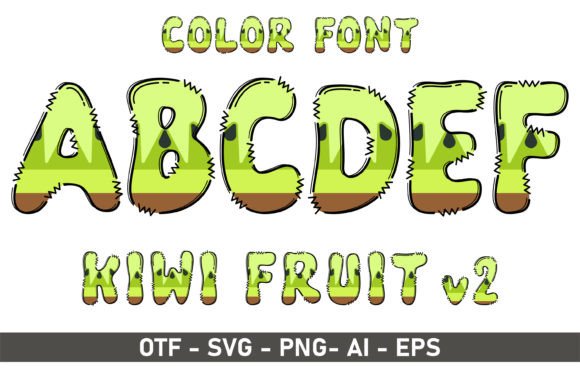
There’s a certain magic in a font that doesn’t just sit on the page but seems to bounce off it. You know the feeling—it’s that instant sense of joy and whimsy that makes you want to lean in closer. This is the world of display typefaces, and within it, a particularly vibrant category has been gaining serious traction: color fonts. These aren't your standard monochrome letters; they are fully rendered illustrations that arrive in your design software ready to make a statement. One standout in this space is Kiwi V2, a typeface that embodies a playful, artistic spirit perfect for projects that need to radiate creativity and warmth.
More Than Just Letters: The Visual Appeal of a Color Font
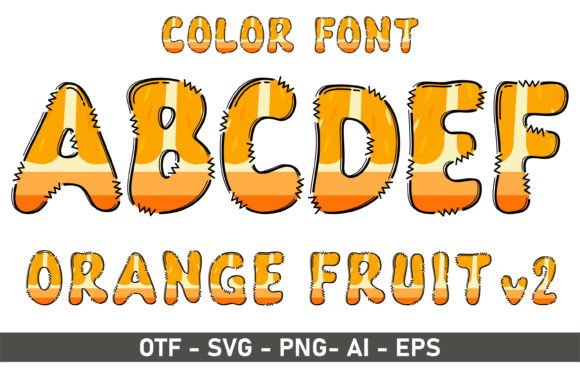
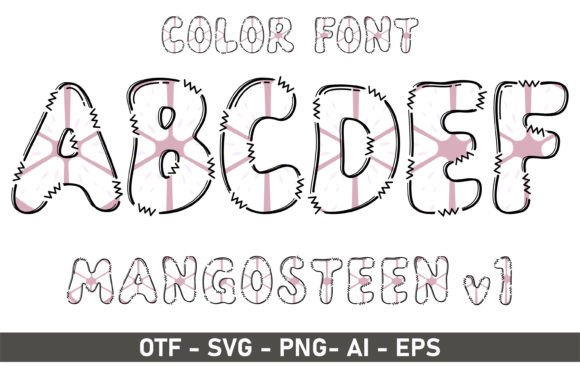
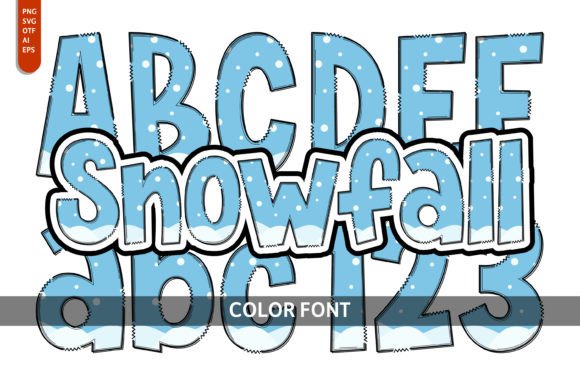
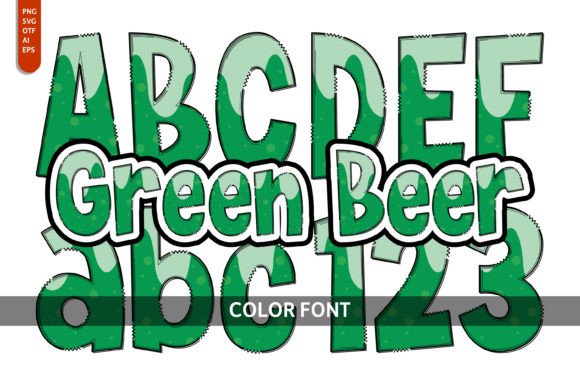
So, what exactly sets Kiwi V2 apart? At its core, it’s an OpenType-SVG font, which means each glyph is a high-resolution, color-filled vector image. Think of it less like typing a letter and more like placing a tiny, pre-designed graphic. This technology allows for gradients, textures, and multi-color designs within a single character, something impossible with traditional fonts. The result is a typeface that feels hand-crafted and full of personality. It’s the kind of premium font that can instantly elevate a simple design, making it look custom-made and full of effort, even when you’re working on a tight deadline.
This inherent character makes it a natural fit for designs aiming to connect on an emotional level. Children’s books are a classic example, where fonts need to be engaging, colorful, and easy for young readers to follow. But that playful energy translates beautifully to a wider audience. Imagine a boutique bakery’s logo, a social media graphic for a weekend market, or the cover of a indie music album. The visual texture and depth of a color font like this create an immediate focal point, helping your message stand out in a crowded visual landscape.
Practical Applications: Where Kiwi V2 Truly Shines
Understanding a font’s personality is one thing; knowing how to deploy it effectively is where the real value lies. For designers, entrepreneurs, and creators, Kiwi V2 offers a versatile tool for injecting life into a variety of projects. Its strength is in display use—think headlines, logos, and single-word callouts—where its detailed artwork can be appreciated at a larger size.
Branding & Logo Design: A logo is the cornerstone of a brand identity. Using a distinctive display font like this for a wordmark can make a brand instantly memorable. It’s particularly effective for businesses in creative, lifestyle, or family-oriented spaces—think a children’s clothing line, a craft brewery with fun branding, or a freelance illustrator’s personal brand. The font itself tells part of the story.
Packaging & Merchandise: On a shelf or in an online store, packaging has to do a lot of heavy lifting. A bold, colorful font can communicate the product’s vibe at a glance. Use it for product names on labels, hang tags, or even directly on merchandise like tote bags or mugs. It turns a functional item into a piece of branded art.
Digital & Print Marketing: In the scroll-stop environment of social media, a striking headline is crucial. Kiwi V2 can make Instagram graphics, Facebook ads, and Pinterest pins pop. For print, it’s ideal for event posters, flyers, and invitation cards where you want to evoke excitement and creativity. It’s also a fantastic choice for editorial layouts in magazines or blogs, used for pull quotes or section headers to break up text and add visual interest.
Pairing and Professionalism: Using Display Fonts Wisely
A common question with a font this bold is: how do I use it without overwhelming my design? The key is strategic pairing and thoughtful application. A display font like Kiwi V2 is not intended for body text. Its detailed nature can reduce readability in long paragraphs. Instead, let it be the star of the show for your headlines, then pair it with a clean, neutral sans serif font or a simple serif font for your body copy. This creates a clear visual hierarchy, guiding the viewer’s eye from the impactful headline to the readable supporting text.
Before finalizing any project, it’s critical to test your font pairings. Place your headline and body text together and view it at both screen and print sizes. Does the contrast feel balanced? Is the body text comfortable to read for more than a few sentences? This simple step ensures your design maintains both its creative flair and its professional polish, enhancing rather than hindering the user experience.
Important Considerations for Your Workflow
Adopting a new typeface, especially a color font, comes with a few practical notes. First, compatibility is key. Kiwi V2 is an OpenType-SVG font, which works seamlessly in professional design software like Adobe Photoshop and Illustrator, as well as in other SVG-compatible editors like Inkscape and Silhouette Studio. However, it’s important to note that the OTF/TTF files are not compatible with Cricut Design Space. If you’re a crafter using a Cricut machine, this is a crucial detail to check before purchasing. Always review the included font styles and file formats to ensure they align with your software and project needs.
Secondly, consider the commercial license. If you’re using the font for client work, merchandise for sale, or widespread marketing materials, you need to ensure you have the appropriate commercial license. This isn’t just a legal formality; it’s about respecting the work of the type designer and ensuring your business operates above board. Most reputable font marketplaces make licensing terms very clear.
Ultimately, choosing a font like Kiwi V2 is about making a deliberate choice for your brand’s voice. It’s a tool for visual communication that says, “We are creative, approachable, and full of personality.” When used thoughtfully, it can strengthen your brand recognition, create a more engaging audience experience, and give your projects that professional, polished look that turns heads. It’s a design asset that proves sometimes, the right letterforms can say more than words ever could.