Historic American: A Font with Whimsy and Character for Creative Projects
There’s a certain magic that happens when typography feels alive. You know the feeling—when a font doesn’t just sit on the page but seems to dance, play, and invite the reader into a story. That’s exactly the kind of energy Historic American brings to the table. Designed for projects that need a touch of whimsy and artistic flair, this typeface is more than just letters on a screen; it’s a creative tool built for engagement, especially with younger audiences or anyone who appreciates a joyful, colorful aesthetic.
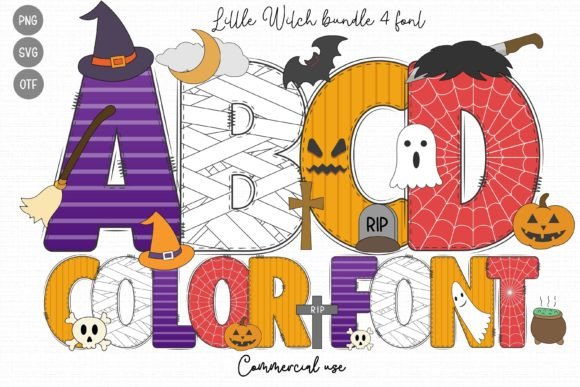
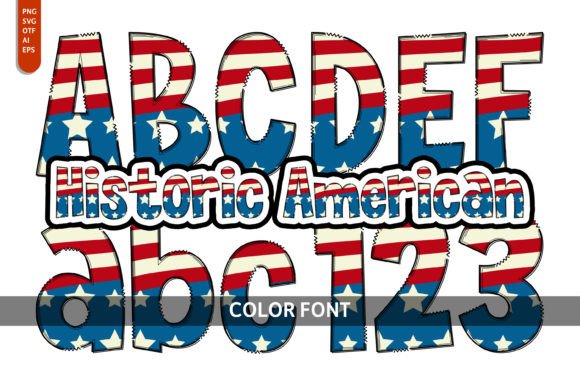
Historic American is a display font that leans into a playful, almost storybook-like personality. Its characters have a hand-drawn, slightly irregular quality that gives them warmth and approachability. Think of it as the typographic equivalent of a friendly illustration—it’s colorful, easy to read, and designed to make a visual impact without sacrificing clarity. Whether you’re working on a children’s book, a set of greeting cards, or a vibrant poster, this font has the character to make your designs stand out.
Where Creativity Meets Practicality
One of the most useful things about Historic American is its versatility across different creative projects. It’s not just a decorative font; it’s a practical asset for designers, entrepreneurs, and content creators who need type that works in real-world applications. For instance, if you’re designing packaging for a children’s toy or a snack brand aimed at families, this font can help set a friendly, approachable tone right from the shelf. Its readability ensures that important information—like product names or descriptions—remains clear, even with its artistic style.
Social media graphics are another area where Historic American shines. In a feed full of polished, minimalist typefaces, a font with genuine personality can stop the scroll. Imagine using it for Instagram quotes, promotional banners, or story templates—its whimsical nature can make your content feel more authentic and engaging. Similarly, for bloggers or content creators focused on lifestyle, parenting, or crafts, this font can add a unique voice to headers, pull quotes, or featured images, helping to build a recognizable visual brand.
For those working in branding, choosing the right font is about more than just aesthetics; it’s about communication. Historic American communicates creativity, fun, and a sense of nostalgia. It could be perfect for a boutique brand, a creative agency, or a small business that wants to project a friendly, artistic identity. Think of a local toy store, a children’s clothing line, or a handmade invitation service—this typeface could become a key part of their visual language, helping to build recognition and emotional connection with their audience.
Integrating Historic American into Your Design Workflow
Before diving into a project, it’s important to consider how a font like Historic American fits into your overall design strategy. Because it’s a display font, it’s best used for headlines, logos, and short bursts of text where its personality can really pop. Pairing it with a simpler, neutral font—like a clean sans serif or a straightforward serif—can create a balanced layout that’s both eye-catching and easy to read. For example, you might use Historic American for a book title and a classic serif like Georgia for the body text, ensuring the design feels cohesive without becoming overwhelming.
Readability is always a priority, especially when designing for young audiences or in contexts where clarity is key, like on packaging or educational materials. While Historic American is designed to be legible, it’s still wise to test it at different sizes and in various color combinations. Make sure there’s enough contrast between the text and the background, and avoid using it for long paragraphs where a simpler typeface would be more comfortable to read.
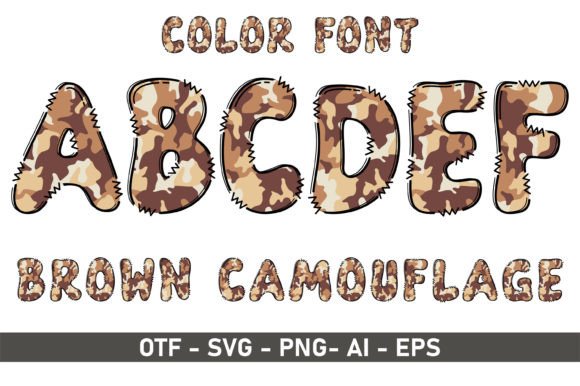
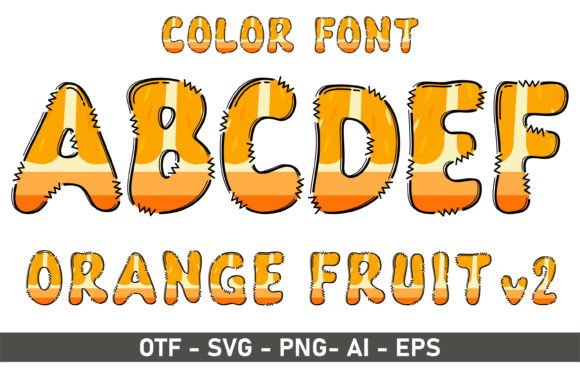
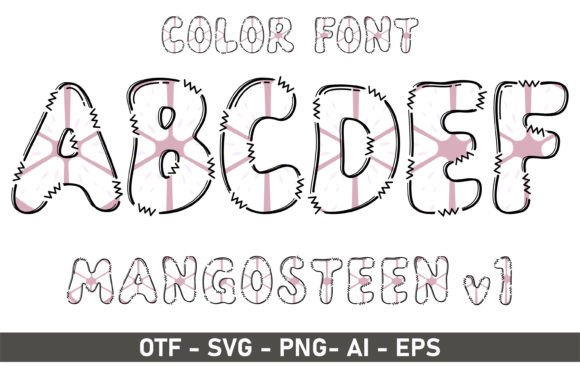
It’s also worth noting the technical side of this font. Historic American is a color font, specifically an OpenType-SVG file, which means it can include rich, multi-colored details directly within the font file itself. This is fantastic for creating vibrant, engaging designs without needing to manually add color in design software. However, compatibility is something to keep in mind. This font works seamlessly with programs like Adobe Photoshop, Illustrator, and Inkscape, as well as Silhouette Studio. If you’re using Cricut Design Space, be aware that the standard OTF or TTF files may not be compatible—always check the latest software requirements before starting your project.
Practical Tips for Using a Whimsical Typeface
When working with a font like Historic American, context is everything. Here are a few practical considerations to keep in mind:
- Match the tone to the project. This font is ideal for designs that need to feel joyful, creative, or nostalgic. It might not be the best fit for a corporate law firm’s website, but it could be perfect for a bakery’s menu or a child’s birthday invitation.
- Review all included styles. Many premium fonts come with multiple weights or alternates. Check what’s included in the Historic American package—you might find different versions that offer more flexibility for your design needs.
- Test font pairings early. Don’t wait until the last minute to see how Historic American works with other typefaces. Create a quick mockup with your chosen pairings to ensure the overall look is harmonious and effective.
- Consider commercial licensing. If you’re using this font for client work or products you plan to sell, make sure you understand the licensing terms. Most reputable font foundries offer clear guidelines for commercial use, so you can design with confidence.
Ultimately, Historic American is more than just a creative font—it’s a design asset that can help bring ideas to life with personality and charm. Whether you’re a small business owner looking to strengthen your brand identity, a designer crafting engaging marketing materials, or a hobbyist creating something special for a loved one, this typeface offers a blend of whimsy and functionality that’s hard to find. By thoughtfully integrating it into your projects and pairing it with complementary design elements, you can create visuals that not only look great but also resonate deeply with your audience.